Best Mom Ever, Mom T-shirt SVG: A Designer’s Review
I pulled up the Best Mom Ever, Mom T-shirt SVG files late on a Wednesday evening, with a stack of blank cotton totes sitting on my worktable and a Mother’s Day deadline looming. A boutique client had asked for something warm but not overly ornate, something that felt personal without trying too hard. This design caught my eye immediately, not because it shouted, but because it didn’t need to. The lettering has a gentle confidence, the kind that looks like it belongs on a well-loved sweatshirt or a canvas tote that someone carries everywhere. Before I even loaded it into my software, I had a pretty clear picture of where this design would live best.
What I’m sharing here is not a surface-level glance. I’ve spent enough years stitching out designs, troubleshooting puckered fabric, and rethinking thread choices mid-project to know that a good graphic file doesn’t always translate into a good embroidery result. The Best Mom Ever, Mom T-shirt SVG is a graphic asset first, and understanding how it behaves in real embroidery workflows is what separates a smooth finished product from a frustrating afternoon of seam ripping.
First Impression: Warmth Without the Clutter
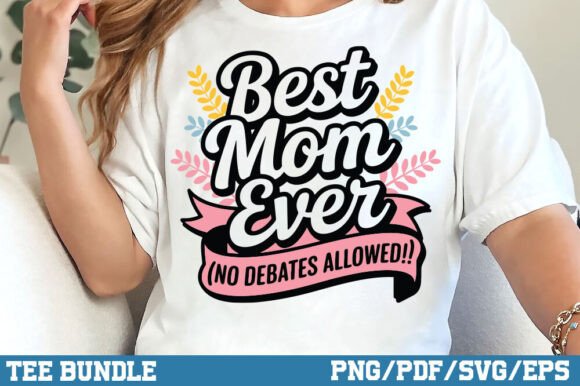
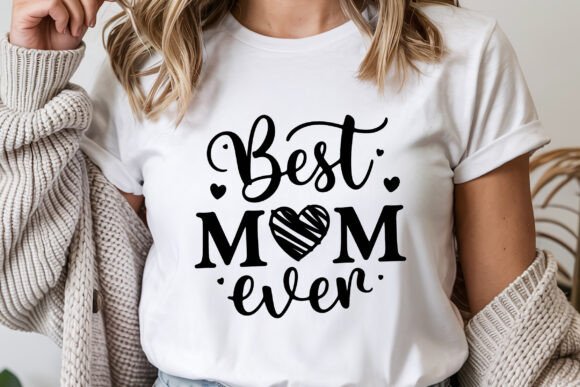
Opening the SVG file, I noticed right away that the design leans into a handwritten, slightly playful typography style. The letters flow naturally, with just enough variation in stroke weight to feel human. It avoids the trap of looking overly scripted or stiff, which matters a lot when you’re planning to stitch it onto fabric. Overly delicate hairlines vanish under thread, and overly thick block letters can turn dense and heavy. This one sits in a comfortable middle ground.
The PNG file with its transparent background made quick mockup work easy. I dropped it onto a digital preview of a natural canvas tote and a soft heather gray sweatshirt. On both backgrounds, the design held its presence without feeling aggressive. The mood it creates is affectionate but not saccharine, which is a tricky balance to get right for mom-themed products. Some designs lean too hard into sentimentality and end up looking generic. This one has a bit of personality, the kind that makes a customer pause while scrolling through an Etsy feed.
The EPS file is a welcome addition for anyone who wants to scale the design without quality loss, especially useful if you’re planning to adapt it across multiple product sizes, from a small baby bib to a full-front tote print. But for embroidery specifically, I’m always thinking about how the artwork will be digitized, not just how it looks on screen.
Where This Design Shines in Embroidery Projects
After studying the lettering weight and overall layout, I can see the Best Mom Ever, Mom T-shirt SVG working beautifully on medium-weight cotton and linen surfaces. Think structured tote bags, apron fronts, and the center chest area of a crewneck sweatshirt. The horizontal composition feels natural on rectangular or slightly square placement zones. It doesn’t fight the shape of the product, which is something I always check before committing to a design.
One of the first real-project ideas that came to mind was a set of matching kitchen towels for a Mother’s Day gift bundle. Paired with a simple floral accent or a small heart motif, this lettering would anchor the design without overwhelming the towel’s border. The spacing between characters is generous enough to avoid thread buildup, which is a common headache when lettering designs get digitized at small sizes.
I also pictured this on a baby onesie for a new mom, perhaps in a soft pastel thread on white cotton. The sentiment reads as celebratory without being age-specific, so it suits a first-time mom in her twenties as easily as a grandmother receiving a custom pillow cover. That versatility matters when you’re stocking inventory for a craft fair or building a product line that needs to appeal across different customer segments.
Thinking Through the Real Stitching Behavior
Anyone who has digitized script lettering knows that the transition from smooth vector curves to satin stitch columns requires careful attention. The Best Mom Ever, Mom T-shirt SVG has a few spots where the letter connections tighten, particularly around the lowercase loops. In a digitized embroidery file, those areas could become dense if the stitch angle isn’t adjusted properly. I’d recommend testing the design at the intended stitch size on a scrap of the actual fabric before running a full batch.
For satin stitch lettering, I typically aim for a column width between 2.5 and 6 millimeters. This design’s natural stroke variation falls within that range for most standard hoop sizes, but if you’re planning to stitch it smaller than four inches wide, pay close attention to the thinner upstrokes. They might need a slight width adjustment in your digitizing software to maintain stitch integrity on textured fabrics like terry cloth or waffle weave.
On darker fabrics, thread color contrast becomes critical. I tested a mockup with a cream thread on a charcoal sweatshirt, and the result felt warm and inviting. A bright white on black looked sharper but slightly less personal. Metallic threads could work for a boutique holiday version, though I’d be cautious about tension issues with the finer lettering details. Sometimes a simple matte polyester thread in a soft ivory or blush tone does more for the design’s personality than anything flashy.
Product Scenarios Worth Pursuing
Let me walk through a few specific product ideas that make practical sense with the Best Mom Ever, Mom T-shirt SVG. A canvas tote bag with this design stitched near the top center creates an everyday carry item that feels intentional. Add a small floral or leafy accent beneath the lettering, and you’ve got a gift-ready product that photographs well for listings. Tote bags are forgiving surfaces for embroidery, flat and stable, which makes them an ideal starting point if you’re testing this design for the first time.
An embroidered patch is another strong option. The clean lettering would translate well to a merrowed-edge patch that customers can iron onto jackets, denim shirts, or even a baby backpack. Patches have been trending steadily in the handmade space, and mom-themed designs with genuine warmth tend to sell consistently, not just around Mother’s Day. The PNG file is especially useful here for creating realistic patch mockups that show the edge finish and backing texture.
For apparel decorators, a lightweight French terry sweatshirt with this design embroidered on the left chest or centered just below the collar offers a comfortable, wearable product. The key is avoiding placement that curves too dramatically over seams. A flat, uninterrupted surface keeps the lettering even and professional-looking. I’ve seen too many otherwise lovely designs distorted by poor placement on side seams or shoulder curves.
Fabric and Stabilizer Choices That Make a Difference
On stretchy fabrics like jersey knits or baby rib cotton, I always use a cut-away stabilizer to prevent the design from shifting during stitching and washing. The Best Mom Ever, Mom T-shirt SVG has lettering that relies on clean edges for its charm, and any distortion will immediately show up in the finished product. A medium-weight cut-away stabilizer paired with a water-soluble topper for textured or looped fabrics gives the best results based on similar script designs I’ve stitched in the past.
For woven fabrics like linen or cotton canvas, a tear-away stabilizer is usually sufficient, but I still prefer a fusible backing if the item is destined for frequent washing. Kitchen towels, aprons, and baby items all fall into the high-wash category, and nothing disappoints a customer faster than lettering that starts to pucker or fray after a few cycles in the laundry.
Commercial Use and Shop Considerations
If you’re planning to sell finished products featuring this design, the availability of the SVG, PNG, and EPS files in the Crafts category gives you a solid foundation for both production and presentation. The Graphics format means you can use the files for mockups, listing photos, and branding materials without hunting down supplementary assets. I’ve spent entire afternoons recreating design previews from scratch, so having a clean PNG with a transparent background saves real production time.
Before listing anything, I always confirm the licensing terms with the file provider. The product description doesn’t specify commercial use terms here, so I’d recommend reaching out to clarify whether finished physical products can be sold, and whether any attribution or purchase limits apply. Most sellers in the Crafts space are supportive of small business use, but it’s never worth assuming. A quick message upfront prevents headaches later.
Testing the Design Before a Full Production Run
My standard workflow for any new design goes like this: test on scrap fabric first, check thread tension, evaluate stitch density, and photograph the result under natural light. With the Best Mom Ever, Mom T-shirt SVG, I’d run a test stitch on both a light and a dark fabric to compare how the lettering reads. I’d also test it at the smallest size I plan to offer, because that’s where potential problems with letter clarity become most visible.
One thing I’ve learned from years of embroidery work is that a design that looks perfect on a computer screen can still surprise you on fabric. Thread behaves differently than pixels. The slight texture of even a smooth cotton can soften details in ways that either enhance the handmade feel or muddy the readability. I expect this design to hold up well because of its clean spacing and moderate stroke weight, but I wouldn’t skip the test stitch regardless.
For black-and-white mockup testing, I often convert my preview images to grayscale to see if the design still communicates clearly without color. This design passes that test. The lettering shape and spacing carry the message even without hue or saturation cues, which speaks to the underlying strength of the composition.
Final Thoughts Before You Stitch
The Best Mom Ever, Mom T-shirt SVG is one of those designs that quietly does its job well. It doesn’t rely on trends or tricks to feel relevant. The sentiment is timeless, the layout is adaptable, and the file quality gives you what you need to move from idea to finished product without unnecessary friction. Whether you’re building inventory for a spring market, preparing a personalized gift for a client, or adding a reliable mom-themed option to your small shop, this design earns its place in your production library.
Approach it with the same care you’d give any lettering-heavy design. Test your stitch settings, choose fabrics that support clean embroidery, and pay attention to the small details that customers notice even if they can’t articulate them. A well-stitched set of words on a thoughtfully chosen product carries more weight than any elaborate composition ever could. That’s what this design understands, and why it works.