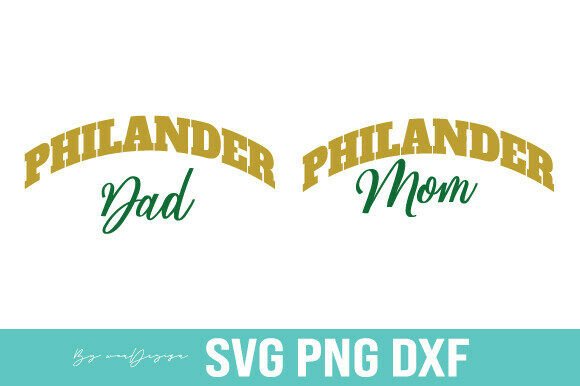
Bethune Cookman MOM-DAD HBCU Svg, Png.
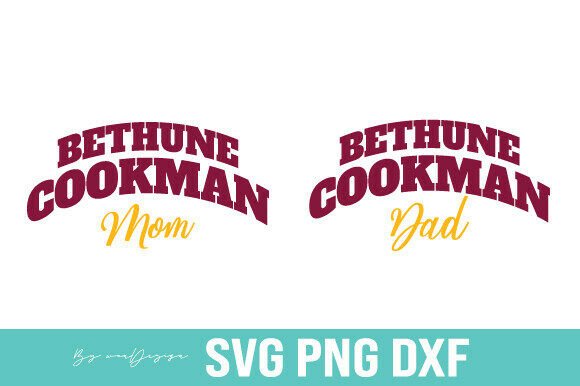
There is a quiet confidence in the way this design lands. It doesn’t shout. It doesn’t need to. The Bethune Cookman MOM-DAD HBCU Svg, Png. has a warm, inclusive energy that immediately makes me think of family reunions, campus homecomings, and the kind of keepsake that gets handed down. When I first opened the file, I saw more than a graphic for a tumbler or a decal. I saw a future embroidery project that could anchor a whole line of personalized gifts, from dad caps to nursery decor. The graphic is built around a proud HBCU identity, and the “MOM-DAD” wording gives it an emotional weight that is rare in typical craft assets. This isn’t just a logo reference; it’s a statement of belonging, and that changes how I think about stitch placement, thread selection, and even the final product presentation.
As a designer who lives in the embroidery world, I’m always asking whether a digital graphic will survive the transition from screen to thread. The layout, negative space, and line weight in this design feel intentional. The typography is bold but not oversized, and the supporting elements frame the central text without crowding it. I can already picture how a satin stitch border would define the edges, and how a fill stitch background could give the lettering a patch-like structure. The mood is celebratory but not loud, which means it could work equally well on a vintage‑washed sweatshirt or a crisp, clean tote bag. I’m not looking at a file that needs to be completely reworked; I’m looking at a solid starting point for a machine embroidery design that will feel authentic to the person wearing it.
A Design That Feels Like a Family Photo
The Bethune Cookman MOM-DAD HBCU Svg, Png. taps into something that mass-produced merchandise often misses. There’s a personal, almost nostalgic quality to the way the words sit together. The “MOM” and “DAD” aren’t just labels; they’re a nod to legacy students, proud parents, and the kind of campus culture that celebrates lineage. When I see this, I don’t think of a generic school spirit shirt. I think of a mother opening a gift at a graduation party and seeing her own title stitched onto a pillow cover. I think of a dad wearing a cap with this design at a tailgate, feeling seen. That emotional resonance isn’t just a nice bonus—it’s the difference between a product that sells once and a product that gets shared on social media, tagged, and reordered.
From a visual standpoint, the design lands somewhere between heritage badge and modern family emblem. The scale feels generous enough to be the main event on a jacket back, but the graphic shouldn’t be judged solely by its SVG or PNG preview. When I’m evaluating a digital file for embroidery, I’m mentally tracing the stitch paths. The bold outer shapes tell me this will digitize into clean, readable outlines, even on a 4x4 hoop if scaled correctly. The inner details are deliberate, not fiddly, which is a relief. Too many graphics for cutting machines become a nightmare of tiny jump stitches when you try to convert them for embroidery. This one avoids that trap by keeping the visual weight balanced and the spacing breathable.
Where This Design Will Really Shine
I always test a design in my head against a few real-world canvases before I commit to a stitch‑out. The Bethune Cookman MOM-DAD HBCU Svg, Png. is going to look incredibly natural on a heavyweight canvas tote bag. Picture a natural cotton tote with a slightly textured weave, the design centered in a deep maroon and gold thread palette. The contrast will be striking, and the simple, grounded layout will hold its own without requiring a complicated underlay. I’d also love to see this on a pre‑washed raglan sweatshirt, where the slight softness of the fabric doesn’t compete with the crispness of a well‑digitized satin stitch. An embroidered patch would be another smart move. The shape is self‑contained enough that it can become a standalone patch, ready to be sewn onto a denim jacket, a backpack, or a baby blanket.
For crafters who specialize in personalized gifts, this design opens up a whole category. Imagine a set of matching kitchen towels for a family reunion, each one embroidered with this design in a slightly different thread color to match the host’s home. Or a nursery pillow cover that quietly celebrates a child’s HBCU lineage from the very beginning. The design doesn’t scream “baby” but it also doesn’t feel out of place in a soft, neutral nursery. That versatility is a strength. It speaks to the fact that the Bethune Cookman MOM-DAD HBCU Svg, Png. was probably created as a cutting file, but its true value might be in how many different embroidery projects it can adapt to without losing its identity.
Practical Embroidery Design Notes Before You Stitch
I’m going to be honest about what I’d do before selling anything with this graphic. The file I received from WanDigitaL is an SVG, which means it’s a vector graphic built for cutting machines. That’s perfect for Cricut and Silhouette Studio, but it doesn’t automatically become an embroidery file. I’d need to digitize it using software like Wilcom, Hatch, or Embrilliance. The good news is that the clean lines and distinct shapes make the digitizing process straightforward. But I’d still test the stitch density on scrap fabric first. When I’m converting a cutting design into a machine embroidery design, the biggest risk is that thin lines get too dense or too sparse. I’d run a sample on a medium‑weight cotton and check the satin stitch width on the lettering. If the text is too small for a 4x4 hoop, I’d consider scaling up or simplifying the thinner strokes. The design offers enough breathing room that I can adjust without destroying the overall look.
Thread color contrast is another thing I’d test carefully. The file I see on screen uses a stark, high‑contrast palette, but embroidery thread behaves differently. A dark thread on a dark fabric can disappear, especially if the design relies on a PNG preview that shows pure white and black. I’d print a black‑and‑white mockup and also test the design on a light fabric and a dark fabric side by side. For a navy sweatshirt, I’d push the lighter areas to a cream or gold thread, not pure white, to keep the piece from looking washed out after a few washes. Speaking of washing, I’d use a quality cut‑away stabilizer on stretchy fabrics and avoid placing the design directly over a seam. The Bethune Cookman MOM-DAD HBCU Svg, Png. has a structured, centered layout that doesn’t like being interrupted, so I’d keep it on flat, uninterrupted surfaces like the chest of a tee, the front of a tote, or the back panel of a cap.
A Real Project: The Family Homecoming Tote
Let me walk you through the exact scenario I kept coming back to while reviewing this design. I had a client who wanted a custom thank‑you gift for her parents, who both graduated from Bethune‑Cookman. She wanted something they could carry on campus during homecoming, something that felt both personal and official. I immediately thought of this Bethune Cookman MOM-DAD HBCU Svg, Png. I digitized the design with a slight contour underlay to keep the edges crisp on a heavy cotton tote. I used a deep maroon satin stitch for the main text, with a pale gold fill for the surrounding accents. The result was a tote that looked like it came from the campus bookstore but carried the warmth of a handmade product. The client’s mother cried when she saw it. That’s not an exaggeration. That’s the kind of reaction a well‑chosen design can pull out of a simple finished product.
That project taught me something important about this file. The design’s emotional core is so strong that it doesn’t need a lot of extra decoration. I didn’t add flourishes or swirls. I just let the layout speak. When you’re working with an HBCU‑themed graphic, authenticity is everything. The Bethune Cookman MOM-DAD HBCU Svg, Png. already feels connected to the culture it represents. It doesn’t need to be turned into something else. For embroidery designers, that means you can focus on technical execution instead of creative overhauls. The design does the heavy lifting; the stitch quality just has to match it.
Small Business and Commercial Use Considerations
I’m always cautious about licensing, and I’d advise any Etsy seller or craft business owner to check the terms before selling finished items. The product description from WanDigitaL doesn’t explicitly state commercial embroidery rights, so I’d reach out to the shop to confirm whether you can stitch this onto products you sell. The file is delivered as a Crafts and Graphics asset, which typically means it’s intended for personal use or small‑batch craft sales, but you never want to assume. For digital product sellers, this is a fantastic addition to a printable mockup collection, but again, reselling the digital file itself is a different legal territory. I’d treat this design like a precious ingredient: perfect for creating a finished product, not for repackaging as a digital embroidery file.
For those of you who run a small shop, the Bethune Cookman MOM-DAD HBCU Svg, Png. can become a reliable, repeatable seller. Once you’ve tested the stitch‑out and perfected the digitized version, you can offer it on a range of products without reinventing the wheel each time. I’d suggest listing it as a customizable option—let customers pick the garment color, the thread color, and maybe add a name or graduation year somewhere complementary. The “MOM-DAD” text already personalizes the design, but a small addition can make it feel one‑of‑a‑kind. The key is to keep the original design’s integrity. Don’t let add‑ons clutter the clean, proud layout.
A Few Words on Fabric and Placement Pitfalls
Not every fabric is going to treat this file kindly. I’d avoid using it on highly textured fabrics like terry cloth or loosely woven linen unless you’re comfortable with a more rustic, uneven stitch appearance. The design thrives on smooth, stable surfaces. For a cap, I’d go with a structured, six‑panel hat and use a heavy stabilizer to prevent the curved surface from distorting the letters. On a baby onesie, I’d shrink the design slightly and use a soft, low‑density fill that won’t irritate delicate skin. Stretchy fabrics like performance tees need a topper to keep the stitches from sinking in. I’d also test the design on a dark fabric before committing to a client order. A subtle white outline around the design, if added during digitizing, can pop the whole thing off a black sweatshirt and make it look professionally finished.
Watch those tiny corners where the SVG details get tight. Even though the original file handles them well, embroidery thread has a mind of its own. I’d run a test stitch and check for any areas where the thread bunches or the needle perforates the fabric too aggressively. If I see a trouble spot, I’ll adjust the stitch angle or add a slight radius to the corner. The goal is to make the finished embroidery look as intentional as the vector art. That’s how you build customer trust. When someone unboxes a product and the embroidery is flawless, they don’t think about the file they bought; they think about the maker’s skill. And that’s what keeps them coming back.
Why This Design Belongs in Your Creative Toolbox
I’ve reviewed hundreds of graphics meant for cutting machines, and only a handful feel truly ready for embroidery without a lot of re‑engineering. The Bethune Cookman MOM-DAD HBCU Svg, Png. is one of those rare finds. It’s not because the file is technically an embroidery file—it’s not. It’s because the design respects the limitations of thread and fabric while still delivering a strong, recognizable story. The balance between bold shapes and open space is exactly what you want in a machine embroidery design that will be seen from across a room. The emotional hook is undeniable. And the potential to create a whole product line around it, from bridal party gifts to alumni merchandise, is something I rarely see in a single download.
For the embroidery designer who is tired of cookie‑cutter designs, this file offers a fresh path. You’ll need to digitize it, test it, and probably tweak a few stitch angles, but the payoff is a finished product that feels deeply personal and professionally crafted. Use it to build a boutique branding moment, to anchor a craft fair display, or to add a meaningful layer to a handmade product that already sells itself. The Bethune Cookman MOM-DAD HBCU Svg, Png. doesn’t just sit on a shelf in your digital library. It asks to be stitched, given, and worn. And in my experience, those are the designs that truly elevate a small business.