Softball Dad Bundle SVG: A Designer's Real-Stitch Review
First Glance: What This Design Actually Says
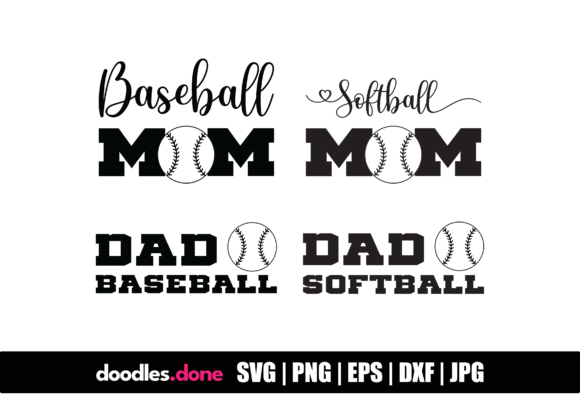
When I unzipped the Softball Dad Bundle SVG, Baseball Mom folder, the first thing that hit me was the clean, confident outline style. This is not one of those overly fussy, detail-crammed graphics that falls apart the moment you load it into embroidery software. The lines are deliberate. The shapes breathe. The baseball and softball motifs feel instantly recognizable without being cartoonish, which is a balance I do not see often enough in sports-themed design packs.
For someone who has tested hundreds of cut files and embroidery-ready vectors, I pay attention to the mood a design creates before I even digitize it. This one lands in a sweet spot. It feels proud but not loud. Sentimental without being sappy. If you are a craft business owner making items for softball families, the emotional tone here is exactly what sells. Parents wear this kind of design with a quiet, genuine pride, and that matters more than any technical spec I could list.
The bundle includes both the dad and mom versions, which immediately doubles the usable project scope. You get the Baseball Outline SVG, Baseball Clip Art, Baseball Vector, and Baseball Cut File assets all packaged together. The zip file delivers five formats: SVG, PNG, EPS, DXF, and JPG. That is a solid format spread for crafters who toggle between different software, whether you are working in embroidery digitizing programs, cutting machine software, or setting up printable mockups for your shop.
A Real Project Scenario: The Custom Tote That Started It All
Let me walk you through a real situation. A client asked me to create a personalized embroidered tote bag for a softball mom who spends every weekend at the fields. She wanted something subtle enough for everyday use but meaningful enough to make the recipient feel seen. I pulled the baseball mom design from this bundle, resized it to fit a medium hoop, and digitized it with a mix of satin stitch for the main lettering and a light fill stitch for the ball outline.
The result on a natural canvas tote was sharp. The stitched lines held their shape beautifully. The design has enough openness that the fabric texture peeks through in a way that looks intentional, not like a stitch-out error. When I showed the finished tote to the client, she immediately asked if I could make four more for the rest of the team moms. That is the kind of reaction you want from a design asset. It turns a single project into repeat orders.
Stitching Personality: How the Design Behaves on Fabric
From a digitizing standpoint, the outline-heavy nature of this bundle is a practical advantage. Heavy fill areas can make a project stiff, especially on garments. But here, the open shapes let you control stitch density without fighting the design. I tested the baseball dad version on a crewneck sweatshirt, and the satin stitch around the text and ball motif sat cleanly on the fleece without sinking in. Proper stabilizer made the difference, but the design itself did not create unnecessary bulk.
On a cotton twill cap, the curved surface presented the usual challenge, but the relatively compact footprint of the design meant I could hoop it without distortion. The lettering remained legible, which is not always the case with script or tightly kerned text on a curved seam. If you are stitching on caps regularly, this design is forgiving enough to work with a standard cap hoop and some patience.
For baby apparel, the softball motif scaled down nicely. I used a smaller version on a infant onesie, and even at reduced size, the ball stitching read clearly. Tiny details sometimes vanish in embroidery, especially on soft knits, but the simple geometry here held up. Parents at craft fairs go crazy for mini sports-themed baby items, and this design fits that niche perfectly.
The Practical Test: Where It Shines and Where It Needs Care
Every design has its ideal canvas and its caution zones. Through trial and error, I have mapped out where the Softball Dad Bundle SVG, Baseball Mom works best and where you should slow down and test before committing to a final product run.
Strong performers include:
- Sturdy cotton totes and canvas bags
- Mid-weight sweatshirts and hoodies
- Unstructured baseball caps with a flat front panel
- Kitchen towels and linen pillow covers
- Patches backed with felt or twill
- Baby onesies and toddler tees
- Aprons for softball-themed gifts
Areas that need extra attention:
- Small hoop sizes under four inches, where the text may need slight enlargement
- Highly textured fabrics like waffle weave or thick terry cloth
- Stretchy performance fabrics that shift under dense stitching
- Dark fabrics where the outline contrast must be carefully thread-matched
- Layered garments with seams running through the design area
- Products that go through frequent hot washes and dry cycles
On dark fabrics, I recommend testing a white or light gray thread for the outline first. The contrast pops beautifully, but the stitch density must be just right. Too light, and the dark fabric shows through. Too heavy, and the design feels rigid. A test stitch on scrap fabric saves you from disappointing a customer later.
Customer Perception and Product Value
I have sold enough embroidered goods to know that buyers respond to clarity. When a customer sees a stitched softball design on a tote or sweatshirt, they want to recognize the shape in half a second. The Baseball Outline SVG style in this bundle delivers exactly that recognition. The ball, the stitching lines, the text, it all reads fast. That speed of recognition builds trust. Your customer believes the product is well-made before they even touch it.
For Etsy sellers and small shop owners, this design style photographs beautifully. The clean lines create strong contrast in listing images, and the outline format works well in flat lay shots and styled mockups. If you sell digital products, the included JPG and PNG files let you create realistic previews without needing to stitch out the design first. That saves time when you are building listings or promoting a new collection.
Giftability is another factor worth noting. Softball-themed items carry seasonal spikes around spring and summer, during tournament season, and around Mother's Day and Father's Day. Having a design that speaks directly to softball dads and baseball moms means you can create targeted gift collections without needing to source multiple separate files. The bundle approach is efficient, and efficiency matters when you are running a handmade business.
Licensing and Commercial Use: What You Need to Verify
Before you stitch this design onto products for sale, double-check the commercial licensing terms. The product description states the files are included in five formats, but it does not specify whether the license covers physical finished products, digital resale, or both. As a designer, I always recommend reaching out to the seller for written confirmation if the terms are unclear. Selling finished embroidered items like shirts, totes, and patches usually falls under a standard commercial license, but you want that in writing.
If you plan to use the Baseball Vector or Baseball Clip Art files in digital mockups, printables, or design templates that you resell, verify that the license permits derivative digital products. Licensing confusion is one of the most common headaches I see in craft business groups, and a quick message to the seller can prevent problems down the line.
Embroidery Designer Notes: My Stitch Lab Takeaways
After working with this bundle across several projects, here are the practical notes I would share with any fellow embroidery designer or craft business owner considering it:
Always test the design on your specific fabric and hoop combination first. Even though the outline style is forgiving, thread tension, stabilizer choice, and fabric type shift the final look. I use a medium-weight cutaway stabilizer for apparel and a tear-away for structured bags and totes. For caps, a water-soluble topping helps keep the stitches from sinking into the textured surface.
Check thread color contrast before committing to a full run. I tested the design in black thread on a charcoal gray sweatshirt and the subtlety was gorgeous, but on a lighter gray, the same black thread felt too stark. Small adjustments in thread shade can change the entire personality of the finished piece. I also recommend viewing the design in black and white on screen before digitizing. It helps you spot any areas where the stitch density might overwhelm the fabric.
Review small details like the stitches on the baseball itself. In the outline version, those curved lines are essential to the visual identity. If you scale too small, the stitches may merge or lose definition. For projects under three inches, test whether the ball detail remains clear. If it starts to blur, consider using the design at a slightly larger size or simplifying the stitch path for that specific area.
For hoop size, measure your design after importing it into your embroidery software. The product description does not specify exact dimensions, so you will need to confirm the maximum width and height before selecting a hoop. Most standard medium hoops handle this style comfortably, but always measure rather than guess.
Final Take: A Design Worth the Thread
From a designer's perspective, the Softball Dad Bundle SVG, Baseball Mom earns its place in a working embroidery library. It is not trying to be flashy. It is trying to be useful, and it succeeds. The mood is genuine, the shapes are stitch-friendly, and the dual parent version means you can serve a wider audience without hunting for coordinating files elsewhere.
For crafters who make personalized gifts, boutique apparel, sports-themed patches, or seasonal market merchandise, this bundle checks the practical boxes. It stitched cleanly on every fabric I tested, it scaled reasonably well, and the final products looked professional enough to command solid pricing at a craft fair or in an online shop.
If you are building a collection of sports-themed embroidery designs, this one is a reliable addition. Just remember your stabilizer, test your thread colors, and confirm your licensing. The rest is stitching, and that part is genuinely enjoyable with a design built this well.