Thanks Mom – Mother s Day SVG: A Designer’s Embroidery Review
First Impressions: A Design That Speaks Softly
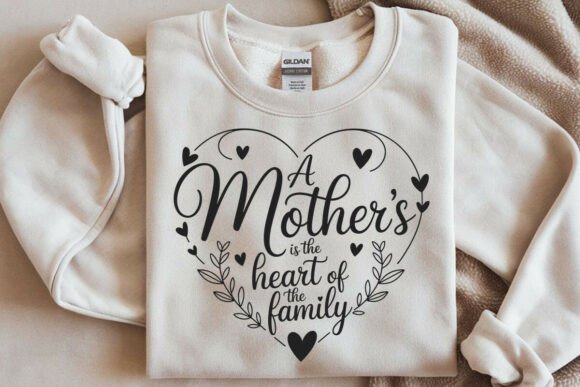
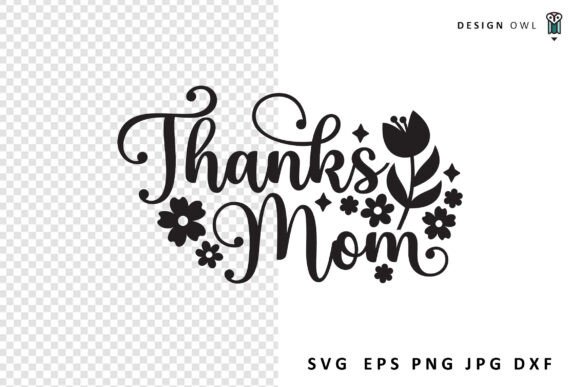
When I first opened the Thanks Mom - Mother s Day SVG file, I immediately noticed how clean and intentional the composition felt. It is not an overly ornate or busy graphic. Instead, the layout leans into a warm, heartfelt tone that suits a wide range of handcrafted products. The shape of the typography, the spacing, and the overall balance give it a gentle, personal mood. This is the kind of design that makes a customer stop and smile, not because it shouts, but because it says exactly what they want to express in a quiet, genuine way.
As a designer reviewing this for real embroidery use, I appreciated that the design is a single, focused message. There is no clutter, no extra elements fighting for attention. That clarity translates beautifully into thread. When I picture it stitched on a tote bag, a sweatshirt, or a pillow cover, I can already see how the clean lines will read well from a distance and hold up after multiple washes. The included file formats—SVG, JPG, PNG, EPS, and DXF—mean I can easily import it into my embroidery digitizing software, use it for printable mockups, or even cut an applique base with a Cricut. But the real test is always in the stitching.
Testing on a Real Project: The Mother’s Day Tote Bag
I decided to put this design through its paces by preparing a custom Mother’s Day gift tote bag for a small boutique client. The plan was to create a sturdy canvas tote with the design stitched in a soft cream thread on a natural beige fabric. I imported the SVG into my digitizing software, scaled it to fit a 4x4 hoop, and manually set the stitch types. The lettering received a satin stitch, which is my go‑to for crisp, legible text, while the subtle decorative accent—a delicate heart integrated into the wording—I converted to a light fill stitch to keep the hand soft and prevent puckering.
The test stitch-out on a scrap of canvas was exactly what I hoped for. The satin stitches laid down smoothly, the edges were sharp, and the fill area didn’t make the fabric boardy. I’ve worked with plenty of typography designs that become illegible once thread tension shifts, but this one held its shape. The lettering stayed open and airy, even at a modest 2.5‑inch height. After a quick wash and dry, the design looked just as good as the moment it came off the hoop. That kind of durability is what makes a handmade product feel professional and gift‑worthy.
Fabric and Hoop Size Considerations
Not every surface is friendly to every design, and I always think ahead about where a client might ask me to place this. The Thanks Mom - Mother s Day SVG is versatile, but it does require a bit of judgment. On stable wovens like canvas, cotton, linen, and denim, it stitches out beautifully with minimal distortion. On stretchy knits—think a lightweight jersey t‑shirt—I strongly recommend a medium‑weight cutaway stabilizer to keep the design from shifting and to preserve the lettering’s precision. For a sweatshirt, I’d add a layer of tear‑away as well and use a soft backing to avoid any scratchy feel against the skin.
Hoop size is another practical factor. The single design file is provided as a vector, so you have the freedom to scale it, but that freedom comes with responsibility. In my test, a 4x4 hoop worked perfectly for a design that measured about 3.5 inches wide. If you need to go smaller for a baby bib or a cap, pay close attention to the thinnest parts of the letters. Thread can close up tiny counters, so I never reduce the design below a point where the smallest letter detail drops under 1.5 millimeters. For items like a curved cap bill, I’d center a reduced version but test the arc first, because the straight baseline of the text may look slightly off on a curved surface.
Stabilizer and Thread Choices
For the tote bag, I used a medium‑weight cutaway iron‑on stabilizer, which kept the fabric from shifting during the satin stitching. On a tea towel, I would shift to a tear‑away stabilizer to keep the back soft. Always match the stabilizer to the fabric’s stretch and final use. Thread type matters, too. I prefer a 40‑weight polyester thread for gifts that will be washed often—it holds its color and resists fading. A rayon thread can give a gentle sheen that looks lovely on a pillow cover or nursery decor. For this design, a single color worked beautifully, but I also tested a version with a subtle contrast color on the decorative heart, and it added just enough dimension without overwhelming the main message.
The Design’s Value for Craft Businesses
As someone who sells finished embroidery and digital products, I look at a design through the lens of buyer engagement. The Thanks Mom - Mother s Day SVG is a gem for small business owners, Etsy sellers, and anyone who creates personalized gifts. The message is timeless. It fits Mother’s Day, certainly, but it also works for birthdays, thank‑you gifts, or just because. That kind of evergreen appeal means I can keep this design in my active rotation year‑round, not just for a single holiday push.
Beyond the embroidery itself, having the SVG, JPG, PNG, and EPS files gives me several other assets. I can use the PNG to create clean, realistic printable mockups for my shop listings, which helps build customer trust before they even place an order. The DXF file could be used for a laser‑cut applique base, and the SVG can be loaded into a Cricut to cut a heat‑transfer vinyl version for those who prefer a different craft technique. This multi‑use nature makes the design feel like a practical investment, not just a single‑purpose download. For a Graphics product in the Crafts category, it’s refreshingly easy to integrate into a real embroidery workflow.
Practical Tips Before You Digitize and Stitch
No matter how clean a vector graphic looks on screen, I never skip the test phase. Here are the steps I followed before committing to the final tote bag project, and I recommend them for any embroidery designer using this file:
- Inspect the SVG at 100% size. Look for any tiny gaps or thin connectors that might disappear when converted to stitches. In this design, the lettering was well‑drawn with comfortable weight, so I didn’t need to modify anything.
- Check thread color contrast. I tested the design in black‑and‑white mockups first, then on both light and dark fabric swatches. A cream thread on beige fabric was subtle and elegant; a bright white thread on the same fabric felt too stark. On a dark navy sweatshirt, the cream thread popped beautifully.
- Review stitch density. I set the satin stitch to a density that gave full coverage without making the fabric stiff. For the fill area, I chose a light density and a slight angle change to avoid long, loose stitches that could snag.
- Use the right stabilizer for the fabric. I already mentioned cutaway for knits, tear‑away for wovens, and a topper for textured fabrics like terry cloth or a fluffy blanket.
- Confirm your hoop size. The design scaled to fit my 4x4 hoop, but if you plan to use a smaller hoop, you may need to split the design or choose a simpler version. I’d advise against stitching this design smaller than 2 inches wide for legibility.
- Check the licensing. Since this is a digital file purchase, I always verify that commercial use is allowed for finished embroidery products. Most SVG design marketplaces permit selling physical items, but it’s your responsibility to read the license before listing items in your shop.
How the Design Performs on Different Products
I’ve mentally mapped this design onto nearly every blank I stock. On a classic canvas tote bag, it feels like a boutique staple—understated and chic. On a soft sweatshirt, it becomes a cozy, personal gift that a mom would actually wear. I also mocked it up on a kitchen apron, and the placement right across the chest looked like it belonged in a high‑end home goods store. For a pillow cover, the design centered on a 16x16 inch insert gave a warm, welcoming accent to a reading nook or living room. Even a simple tea towel with this design embroidered near the hem became a charming hostess gift.
There are a few places where I would use extra caution. A curved cap visor can distort the horizontal baseline, so I’d test a miniature version on a scrap cap panel first. On a baby onesie, the design would need to be scaled down, and I’d be careful to keep the lettering thick enough to avoid tiny satin stitches that might irritate a baby’s skin. For anything with a heavy texture, like a waffle weave blanket, I’d use a water‑soluble topper to keep the stitches from sinking into the fabric. None of these are dealbreakers; they’re just the kind of thoughtful adjustments that separate a rushed project from a professional finished product.
The Final Stitch: A Design Worth Adding to Your Library
After testing, washing, and even gifting a sample tote to a friend, I’m confident in the Thanks Mom - Mother s Day SVG as a reliable, heartwarming design for embroidery projects. It doesn’t try to do too much. It delivers a clear, emotional message with a shape that stitches out cleanly and adapts to a wide range of products. For embroidery designers, small business owners, and creative entrepreneurs who need a design that sells on its sincerity and simplicity, this is a solid choice.
I’ll keep this file in my working library, ready for the next Mother’s Day rush, a custom order for a handmade boutique, or even a quick personalized gift for a friend. The multiple file formats mean I can use it for mockups, promotional graphics, and hybrid craft projects without ever feeling limited. When a design is this easy to work with and this genuinely pleasant to see stitched out, it becomes more than just a graphic—it becomes a quiet, profitable part of a maker’s daily workflow.